From 28–30 March 2026, Philippe Starck’s visit to Vietnam became more than an introduction to a new project. Across three days of conversations, encounters, and shared moments, the journey quietly unfolded as a reflection of the philosophy at the heart of Nhà Estate, one rooted in people, human connection, and a more thoughtful way of living.
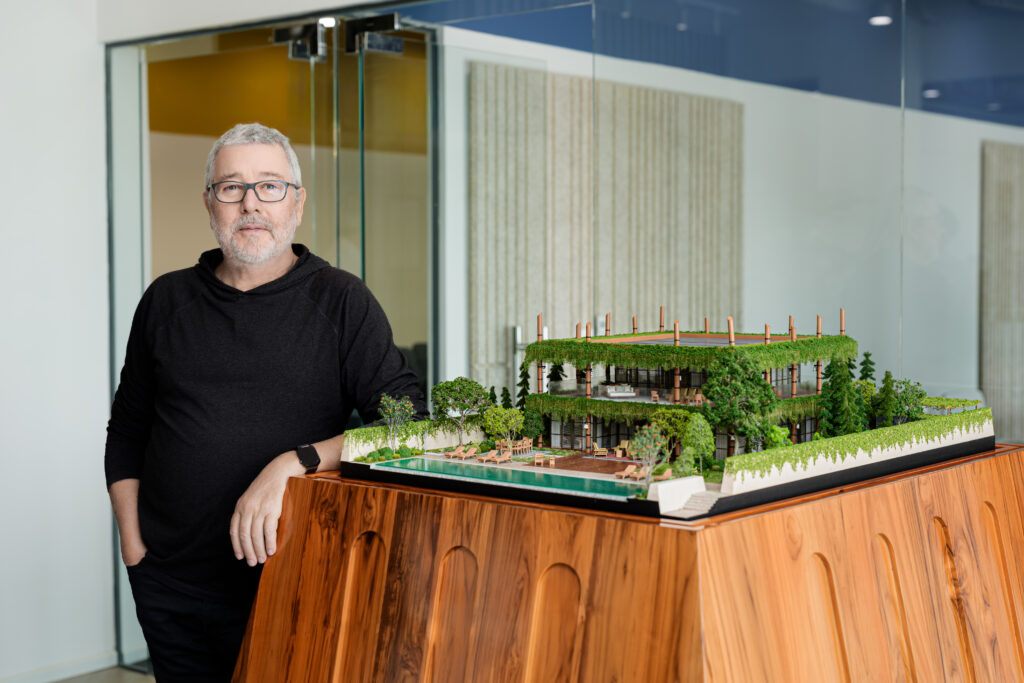
Following an invitation from international developers Larfa Properties and AppleTree Group, Philippe Starck, one of the world’s most influential contemporary creators, arrived in Vietnam to share his vision for Nhà Estate, a collection of seaside villas in Ho Tram. The project marks the first time Starck has dedicated his creative philosophy to a living environment in Vietnam, a place he describes as “a place that feels as though it has always existed, timeless in its elegance and poetry, another world within Vietnam.”
For Philippe Starck, a project never truly begins with architecture, but with people. It begins by observing how we live, understanding what we value, and asking a simple yet essential question: what do we truly need? His recent visit to Vietnam followed this same spirit, unfolding as a journey of encounters and dialogue that gradually brought the vision of Nhà Estate closer to life.
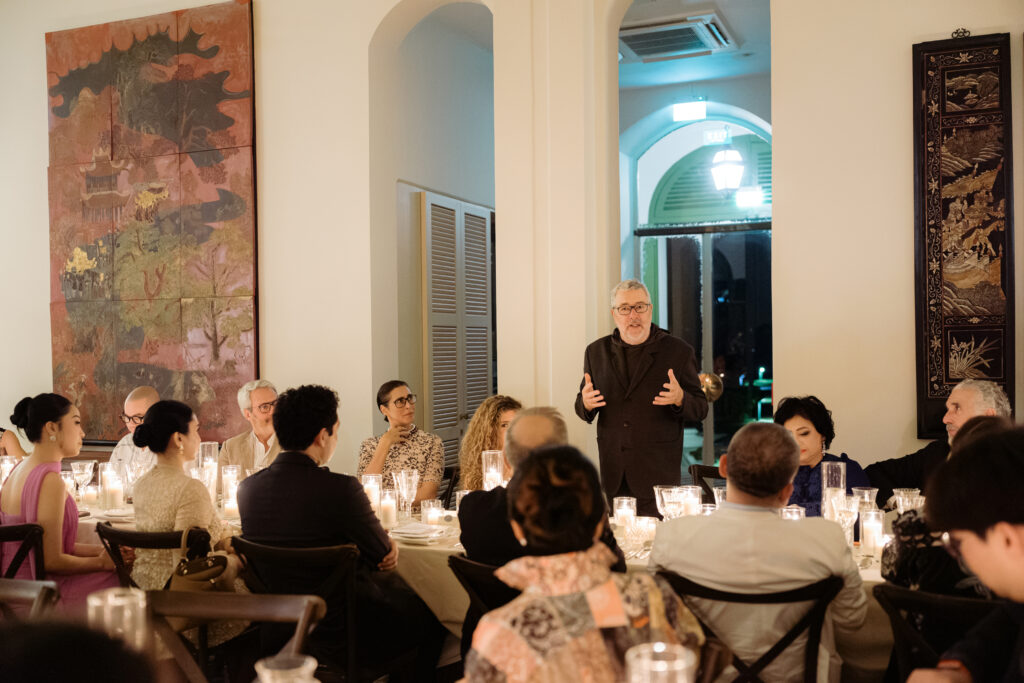
The journey began with an intimate gathering at the Residence of the Consul General of France in Ho Chi Minh City on 28 March 2026. The evening unfolded not as a formal launch, but as a carefully curated encounter. Within a warm and conversational setting, selected guests from the worlds of business, culture, and creativity came together to hear Starck share his reflections on humanity, living, and the future of design.
Rather than speaking about architecture in conventional terms, Starck spoke about emotion, about spaces that can inspire deeper human connections, create room for reflection, and restore simplicity within everyday life. It was during this evening that Nhà Estate was introduced through philosophy before form, as “a home of life, humanity, honesty and harmony.”
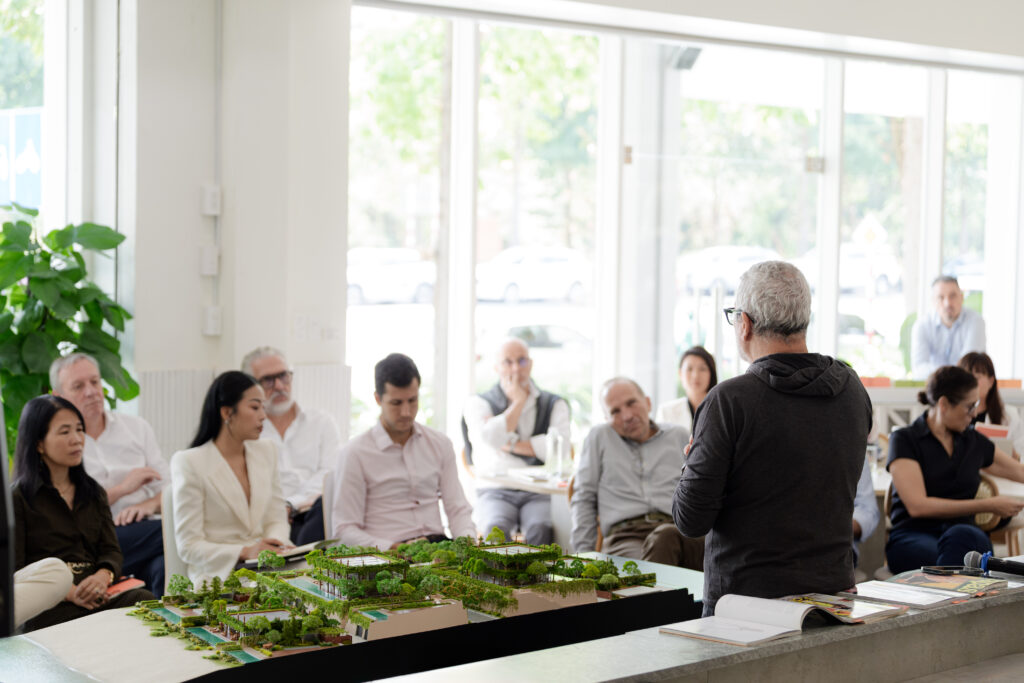
The following day continued with a private workshop at Archetype Studio, where conversations around Nhà Estate expanded into broader discussions of community, nature, and the idea of creating a true village. Not a collection of residences, but a place where generations, experiences, and rhythms of life could naturally coexist.
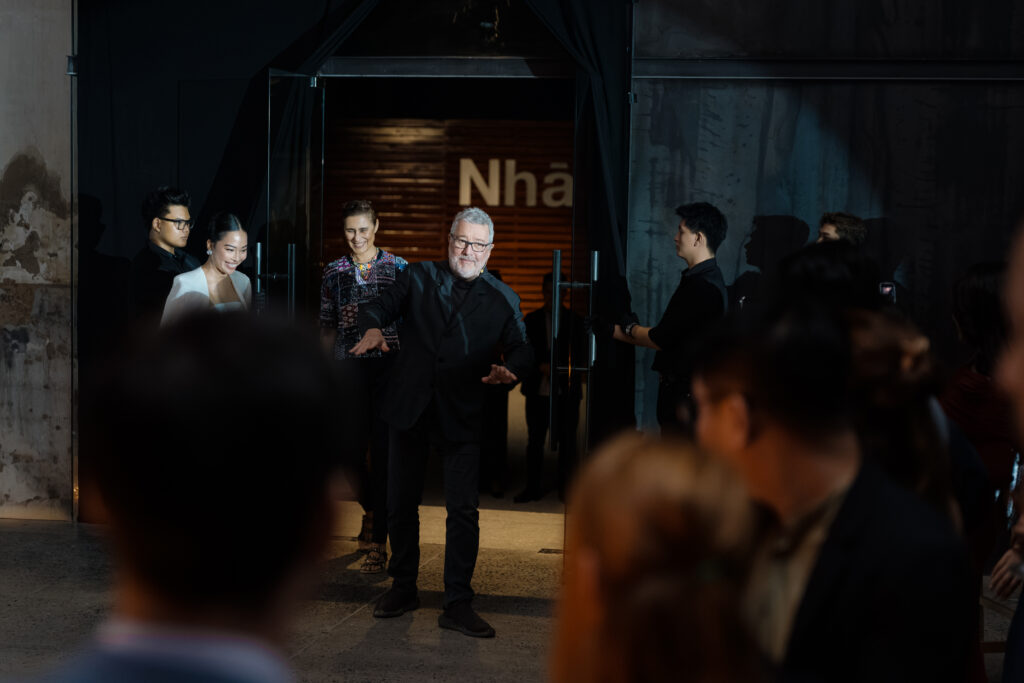
Later that evening at TDX Ice Factory, over 160 guests from the business, media, and creative communities gathered for Nhà Estate’s gala evening. If the earlier conversations had been intimate and reflective, the evening became a moment where the vision extended outward and resonated with a broader audience.
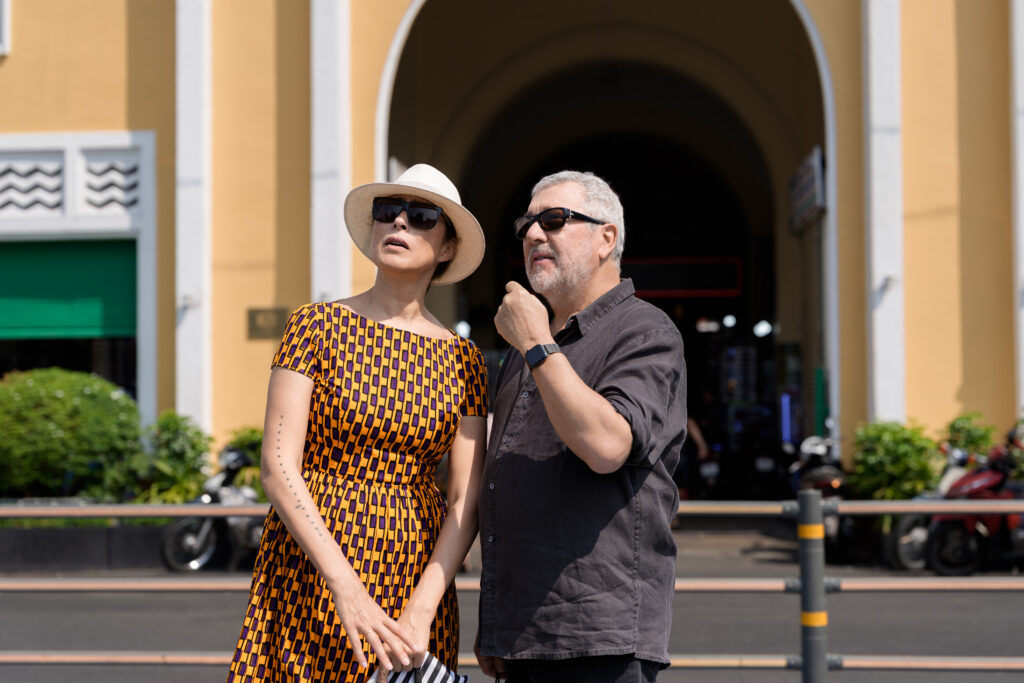
On his final day in Vietnam, Philippe Starck embraced a slower rhythm, walking through Ho Chi Minh City, observing daily life, and connecting with the spirit of the city in an unforced and natural way. These simple moments reflected an important part of Nhà Estate itself, understanding a place through people, atmosphere, and emotion.
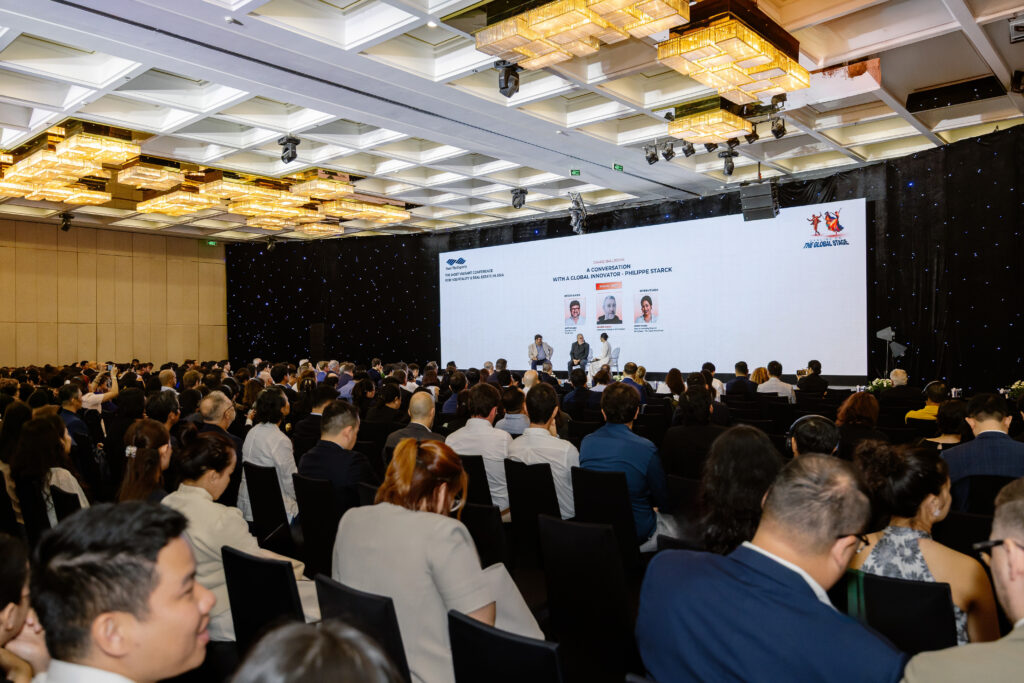
The journey concluded at MTE Conference 2026, where discussions moved beyond Nhà Estate as a project and explored broader shifts in perspectives around living and hospitality. In a market often defined by scale and investment magnitude, Nhà Estate proposes another direction, one centered on lived experience, human connection, and a deeper relationship with nature.
Looking back on those three days, Philippe Starck’s visit to Vietnam was never simply about introducing a new development. It gradually unfolded as a journey of dialogue and a continuation of the values that define Nhà Estate, slower, deeper, and more connected ways of living.
More importantly, what stands out is not the scale of reach, but how the story was received. Nhà Estate gradually emerged as a point of encounter, bringing together people from different backgrounds and perspectives around a shared vision of living, one that is slower, deeper, and more connected to nature.
In this context, the project is no longer perceived merely as a high end real estate offering, but as a reflection of a broader shift in mindset taking place in Vietnam, where value increasingly lies not only in ownership, but in meaningful experiences, human connection, and a lasting sense of belonging.
Because Nhà was never envisioned as merely a place to own. It was imagined as a place to belong.